Crypto Guides
Crypto Home Mining Hardware Machines Store 2026
By Alex Carter ·
Crypto Home Mining Hardware Machines Store 2026
By Alex Carter, Tech & Crypto Analyst at CryptoBitMart | March 02, 2026
Finding the right crypto home mining hardware machines store in 2026 is easier than ever — if you know what to look for. From compact ASIC miners to multi-GPU rigs, the market has matured dramatically. Whether you’re a first-time miner or upgrading your home setup, this guide covers the best hardware, top stores, and how to pay with crypto.
Put simply: A crypto home mining hardware machines store sells ASIC miners, GPU rigs, mining accessories, and related equipment designed for home-based cryptocurrency mining. In 2026, top options include Bitmain’s Antminer S21 XP, the Whatsminer M60S, and custom GPU builds — available from dedicated crypto hardware retailers and platforms like crypto-friendly electronics stores that accept Bitcoin and 50+ altcoins.
What Is a Crypto Home Mining Hardware Machines Store?
What Do These Stores Actually Sell?
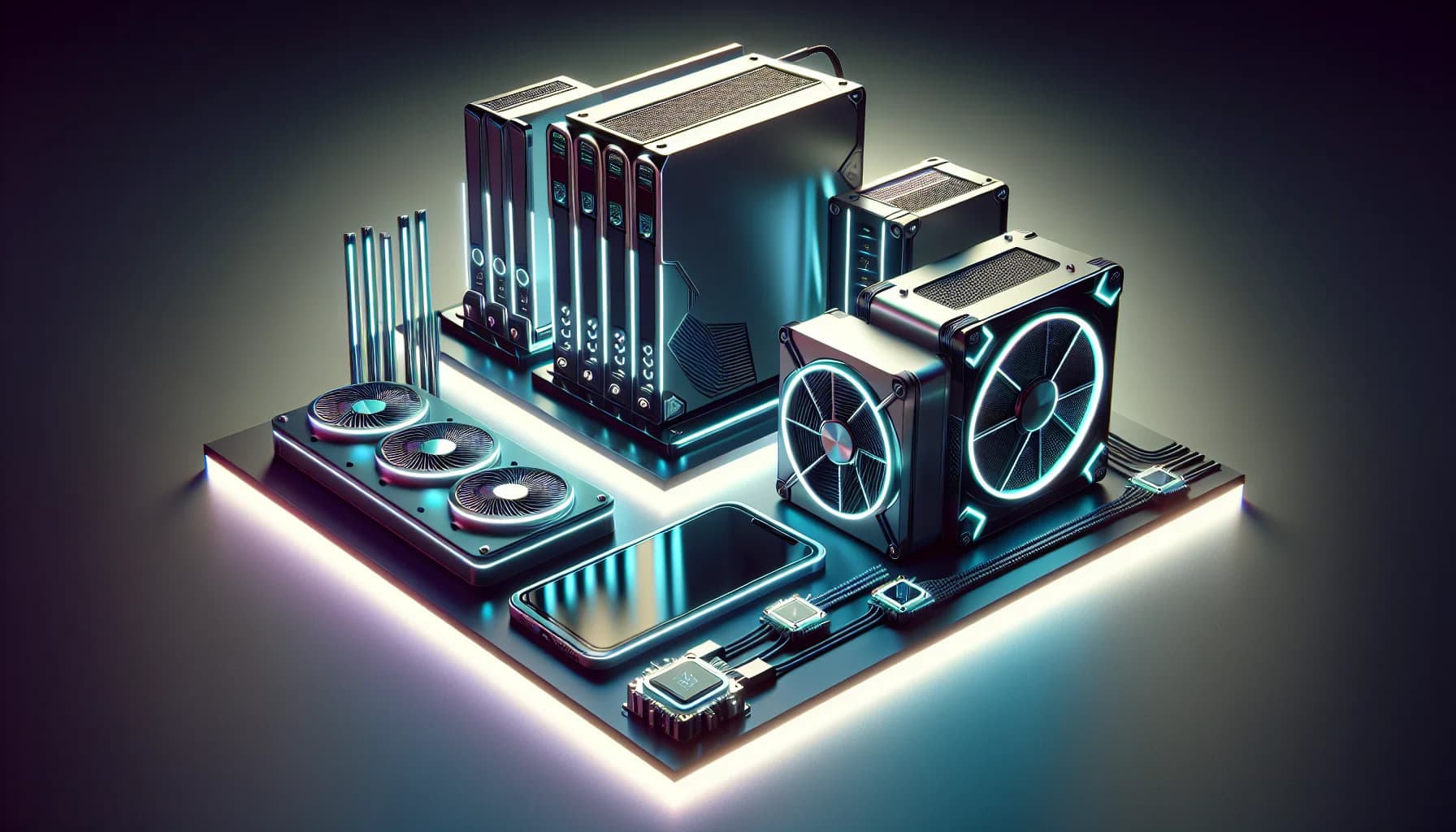
A dedicated crypto mining hardware store stocks everything a home miner needs — ASIC machines, GPU cards, mining frames, power supply units (PSUs), and cooling equipment. Top stores also carry accessories like riser cards, thermal paste, and noise dampening panels.
Unlike general electronics retailers, crypto hardware stores offer miner-specific warranties, firmware support, and hash rate benchmarks. That specialist focus matters when you’re spending $2,000–$15,000 on a single machine.
How Is a Mining Hardware Store Different from a Regular Electronics Shop?
Regular electronics shops rarely stock ASIC miners or mining-optimized GPU builds. Mining hardware stores curate inventory specifically for profitability metrics — hash rate per watt, noise levels, and heat output. They also provide datasheets, ROI calculators, and compatibility guides you won’t find at Best Buy.
Can You Buy Mining Hardware with Cryptocurrency?
Yes — and increasingly, it’s the preferred payment method. Many dedicated mining hardware retailers now accept Bitcoin, Ethereum, Litecoin, and dozens of other cryptocurrencies. Platforms like who accepts cryptocurrency for payment in 2026 track which major retailers have gone crypto-native.
In summary: Crypto home mining hardware machines stores are specialist retailers stocking ASIC miners, GPU rigs, PSUs, and cooling gear designed for home miners. They differ from standard electronics shops by offering hash rate data, ROI tools, miner-specific warranties, and cryptocurrency payment options — making them the go-to source for serious home mining setups in 2026.
What Are the Best ASIC Miners for Home Use in 2026?
Bitmain Antminer S21 XP — The Flagship Home Miner
The Antminer S21 XP delivers 270 TH/s at 20.5 J/TH — one of the most efficient Bitcoin miners ever shipped for home use. It runs on 220V standard household power, making it genuinely home-compatible without major electrical upgrades.
Noise output sits at around 75 dB — louder than a dishwasher but manageable in a garage or basement. Bitmain’s firmware now includes auto-tuning, which optimizes performance based on ambient temperature. Retail price in early 2026 sits around $4,200 direct from Bitmain.
MicroBT Whatsminer M60S — The Efficiency Champion
The Whatsminer M60S offers 186 TH/s at 18.5 J/TH, beating the S21 XP on energy efficiency. For home miners paying retail electricity rates, that J/TH figure is the number that ultimately determines profitability.
MicroBT’s hydro-cooled M60S variant runs near-silently but requires a water loop — practical for dedicated mining rooms, not average living spaces. The air-cooled standard version retails around $3,800 and ships worldwide through authorized distributors.
Canaan Avalon A1566 — The Budget-Friendly Entry Point
Canaan’s Avalon A1566 targets entry-level home miners with 185 TH/s at 23.5 J/TH and a street price under $2,800. It’s less efficient than the S21 XP but significantly cheaper upfront — the right call if you’re testing home mining economics before committing fully.
| Miner Model | Hash Rate | Efficiency (J/TH) | Noise (dB) | Approx. Price (2026) |
|---|---|---|---|---|
| Antminer S21 XP | 270 TH/s | 20.5 | 75 dB | ~$4,200 |
| Whatsminer M60S | 186 TH/s | 18.5 | 72 dB | ~$3,800 |
| Avalon A1566 | 185 TH/s | 23.5 | 70 dB | ~$2,800 |
| Antminer L9 (Litecoin) | 16 GH/s | 0.175 J/MH | 68 dB | ~$2,100 |
The key takeaway is: For home Bitcoin mining in 2026, the Antminer S21 XP and Whatsminer M60S lead on performance and efficiency. Budget miners should consider the Avalon A1566 as a lower-cost entry point. Efficiency (J/TH) matters more than raw hash rate when electricity costs are factored into profitability calculations.
What GPU Mining Rigs Are Worth Buying in 2026?
NVIDIA RTX 5090 — The New GPU Mining King
NVIDIA’s RTX 5090, launched in early 2025, dominates GPU mining in 2026 with its Blackwell architecture. It delivers roughly 210 MH/s on Ethereum Classic and handles Kaspa (KAS) mining at impressive rates — approximately 4.2 GH/s with optimized settings.
At $1,999 MSRP, one RTX 5090 costs less than a mid-tier ASIC but offers flexibility — mine different coins, or use the card for gaming and content creation when not mining. That dual-use value proposition is compelling for home builders.
AMD RX 9070 XT — The Value GPU Mining Option
AMD’s RX 9070 XT offers exceptional mining efficiency at ~$549 MSRP. On Kaspa, it delivers around 1.8 GH/s with a power draw of just 220W — outstanding J/GH performance for the price point.
Building a 6-GPU RX 9070 XT rig costs roughly $3,800 in GPU costs alone, but delivers diversified coin-mining capability and resale flexibility that ASICs can’t match.
Pre-Built GPU Mining Rigs vs. Custom Builds
Pre-built rigs from stores like HashShop and Bitmain’s GPU division ship ready-to-mine — plug in, connect to a pool, and start earning. Custom builds offer better component selection and lower cost but require technical knowledge for assembly and BIOS tuning.
Our research team consistently finds that custom builds deliver 15–25% better cost-per-MH than pre-built equivalents at the same performance level — worth the extra effort for serious home miners.
Here’s the bottom line: GPU mining in 2026 centers on NVIDIA’s RTX 5090 for maximum hash rate and AMD’s RX 9070 XT for cost-efficiency. Custom multi-GPU builds typically outperform pre-built rigs on value. GPU rigs also offer the flexibility to mine multiple coins — unlike ASICs locked to a single algorithm.
Where Can You Buy Mining Hardware with Bitcoin or Crypto?
Dedicated Crypto Mining Hardware Retailers
The top dedicated mining hardware stores in 2026 include Bitmain’s official shop (bitmain.com), MicroBT’s authorized distributor network, and Kaboomracks — all accepting Bitcoin and major altcoins directly. These stores ship worldwide and offer manufacturer warranties on every unit.
For smaller accessories — PSUs, riser cards, mining frames — retailers like MiningSky and GPU Risers Pro accept crypto payments with no account registration required on most orders.
Crypto-Friendly Electronics Platforms for Mining Gear
If you want to combine mining hardware purchases with broader electronics shopping — laptops, gaming gear, smartphones — platforms like CryptoBitMart.com let you pay with Bitcoin and 50+ other cryptocurrencies, no account needed, with fast worldwide shipping and easy returns.
This matters for home miners who also want to pay in crypto for the supporting infrastructure — routers, NAS drives, UPS units, and networking gear that complete a home mining operation. Check out the full guide on how to buy a PC with crypto in 2026 for related hardware purchases.
Peer-to-Peer and Secondary Market Options
Secondary markets like Compass Mining’s marketplace and ASIC Miner Value’s listings connect buyers with used mining hardware at 30–50% discounts. Paying with Bitcoin on these platforms is standard — most sellers prefer crypto over bank transfers for speed and privacy.
Always verify hash rate, firmware version, and repair history before buying used ASICs. Request a live hash rate screenshot from a recognized pool dashboard before completing any peer-to-peer transaction.
In summary: The best places to buy crypto home mining hardware with Bitcoin in 2026 include Bitmain’s official store, MicroBT authorized distributors, Kaboomracks, and crypto-friendly electronics platforms. Secondary markets offer 30–50% discounts on used hardware. Always verify hash rate and firmware before purchasing used ASIC miners or pre-owned GPU rigs.
What Power and Cooling Equipment Does a Home Miner Need?
Power Supply Units (PSUs) for Home Mining
High-efficiency PSUs are non-negotiable for home mining. The EVGA SuperNOVA 1600 G+ and Corsair HX1500i are the go-to choices for GPU rigs, both rated 80 PLUS Gold or Platinum. Running an underrated PSU at over 80% load causes failures and fires — budget here saves money long-term.
ASIC miners typically include proprietary PSUs or require APW12-rated server power supplies. Bitmain’s APW12 (3300W, 93% efficiency) is the standard for S21 XP and S21 Pro units.
Cooling Solutions for Home Mining Setups
Noise and heat are the two reasons most home mining operations fail. Industrial inline fans from AC Infinity (CLOUDLINE T series) move high-CFM air quietly and are purpose-built for grow tent and server closet cooling — perfect for mining rooms.
Immersion cooling kits from BitCool and Green Revolution Cooling are gaining traction for home miners running multiple ASICs. Oil-immersion setups reduce noise to near zero and extend hardware lifespan significantly — ROI positive over 18–24 months for serious setups.
UPS Units and Electrical Requirements
A single Antminer S21 XP draws ~3,500W sustained. Most home circuits run 15A or 20A at 120V — that’s 1,800W or 2,400W max. Mining at home in North America typically requires a dedicated 240V/30A circuit installed by a licensed electrician.
A quality UPS — like the APC Smart-UPS 3000VA — protects against sudden power cuts that can corrupt miner firmware and damage hardware mid-operation.
Put simply: Home mining requires more than just the miner. A platinum-rated PSU, high-CFM cooling fans, and a dedicated electrical circuit are essential for safe, efficient operation. UPS protection prevents hardware damage from power outages. Budget $500–$1,500 for supporting infrastructure beyond the miner itself when calculating total setup cost.
How Profitable Is Home Crypto Mining in 2026?
Bitcoin Mining Profitability at Home
Bitcoin mining profitability in 2026 depends on three variables: hash rate, electricity cost, and Bitcoin’s price. With BTC hovering between $85,000–$110,000 in early 2026, an Antminer S21 XP at $0.07/kWh generates approximately $18–$24/day gross — before electricity costs of ~$5.80/day.
Net daily profit of $12–$18 means payback periods of 8–14 months at current prices — competitive for hardware investments. Rising difficulty and post-halving economics make efficiency (J/TH) the dominant variable. Read our analysis on what will happen with Bitcoin in 2026 for price context.
Altcoin Mining: Kaspa, Litecoin, and Monero
Kaspa (KAS) remains one of the most profitable proof-of-work coins for GPU miners in 2026, with dedicated KHeavyHash ASICs from Bitmain (Antminer KS5 Pro) delivering 21 TH/s. Litecoin mining with the Antminer L9 produces steady returns given LTC’s stability.
Monero (XMR) remains CPU-minable by design — a rare case where a modern high-core-count CPU like the AMD Ryzen 9 9950X can generate modest returns without specialized hardware. Home miners often run XMR mining on existing computers as a low-barrier entry point.
Mining Pool vs. Solo Mining for Home Setups
Solo Bitcoin mining with a single home ASIC is statistically impractical in 2026 — the probability of finding a block alone is negligible. Pool mining through Foundry USA, AntPool, or F2Pool smooths income into daily payouts proportional to contributed hash rate.
For altcoins with lower network difficulty — Kaspa, Ergo, Ravencoin — solo mining remains viable with a small GPU rig. Pool fees typically run 1–2% and are well worth the income consistency for home miners.
The key takeaway is: Home Bitcoin mining is profitable in 2026 at electricity rates below $0.10/kWh, with top-tier ASICs generating 8–14 month payback periods. Altcoin mining via GPU offers diversification and lower upfront costs. All home miners should use pool mining for Bitcoin; solo mining is only viable for lower-difficulty altcoins with small GPU farms.
How Do You Set Up a Home Mining Operation Step by Step?
Planning Your Home Mining Space
Choose a space with strong ventilation — a garage, basement, or spare room with outdoor air access. Calculate the electrical load of your intended hardware and confirm your home’s panel can support a dedicated circuit. Budget for noise reduction if the space is near living areas.
Step-by-Step Home Mining Setup
- Research profitability — Use WhatToMine.com to model ROI at your local electricity rate before purchasing any hardware.
- Choose your miner — Select ASIC for Bitcoin/Litecoin; GPU rig for altcoins needing flexibility.
- Buy hardware — Order from a reputable crypto home mining hardware machines store like Bitmain, MicroBT, or a trusted reseller. Pay with Bitcoin for privacy and speed.
- Prepare your space — Install a dedicated 240V circuit, set up cooling/ventilation, and secure a UPS.
- Configure the miner — Connect to your router, access the miner’s web dashboard, and enter your mining pool credentials (worker name + wallet address).
- Join a mining pool — Register at Foundry USA, F2Pool, or AntPool. Set your payout threshold and wallet address.
- Monitor performance — Use pool dashboards and miner firmware stats to track hash rate, temperature, and daily earnings.
- Optimize — Adjust fan speeds, undervolt GPUs using MSI Afterburner, and tune ASIC frequency for best J/TH ratio.
Here’s the bottom line: Setting up a home mining operation requires upfront planning across electrical capacity, space, cooling, and hardware selection. The eight-step process above covers the full journey from profitability research to daily optimization. Skipping the planning phase is the most common reason home mining setups fail or underperform.
| Mining Type | Best Hardware (2026) | Target Coin | Setup Cost | Est. Payback |
|---|---|---|---|---|
| ASIC Bitcoin | Antminer S21 XP | BTC | ~$5,500–$6,500 | 8–14 months |
| ASIC Litecoin | Antminer L9 | LTC / DOGE | ~$2,500–$3,500 | 10–18 months |
| GPU Kaspa | RTX 5090 x4 Rig | KAS | ~$9,000–$11,000 | 12–20 months |
| GPU Budget | RX 9070 XT x6 Rig | KAS / ETC | ~$5,000–$6,500 | 14–22 months |
| CPU Monero | Ryzen 9 9950X | XMR | ~$800–$1,200 | 24–36 months |
Where Can You Find the Best Deals on Mining Hardware in 2026?
Official Manufacturer Stores vs. Resellers
Buying direct from Bitmain or MicroBT guarantees authentic hardware with full firmware support and warranty coverage. However, manufacturer stock frequently sells out during bull markets — resellers absorb that demand at a markup of 10–30% above manufacturer pricing.
Authorized resellers like Compass Mining, Kaboomracks, and Upstream Data offer fast North American shipping and local warranty support that manufacturers can’t match for international buyers.
How to Spot Counterfeit Mining Hardware
Counterfeit ASICs are a genuine risk in 2026 — fake Antminers with modified hash boards and cloned firmware circulate on gray market platforms. Always verify the serial number on Bitmain’s official checker at bitmain.com before finalizing any third-party purchase.
Red flags include pricing 40%+ below market, sellers refusing video verification of hash rate, and units shipped without original packaging. Our research team recommends paying with Bitcoin through escrow services on peer-to-peer transactions for buyer protection.
Buying Mining Gear Alongside Electronics with Crypto
Many home miners also need supporting tech — NAS drives for data, high-performance routers for low-latency pool connections, and laptops for remote monitoring. Platforms like paying for a laptop with crypto or picking up gaming gear at Buy Games & Gaming Gear with Bitcoin & Crypto let you consolidate crypto spending across your entire tech stack.
CryptoBitMart.com covers that broader electronics category — anonymous checkout, no account required, with 50+ cryptocurrencies accepted and worldwide shipping. It’s the practical complement to dedicated mining hardware stores for everything around the miner itself.
In summary: The best mining hardware deals in 2026 come from official manufacturer stores for authenticity guarantees, or authorized resellers for faster shipping and local support. Always verify serial numbers to avoid counterfeit hardware. For broader electronics needs — laptops, routers, gaming gear — crypto-friendly platforms offer seamless Bitcoin checkout alongside your mining purchases.
Frequently Asked Questions
What is the best crypto home mining hardware machine to buy in 2026?
The Bitmain Antminer S21 XP is the top home Bitcoin mining machine in 2026, offering 270 TH/s at 20.5 J/TH efficiency. For altcoin mining flexibility, a multi-GPU rig featuring NVIDIA RTX 5090 cards delivers broader coin support. Budget miners should consider the Avalon A1566 at ~$2,800 as a cost-effective entry point with solid returns.
Can I run an ASIC miner at home without special electrical work?
Most modern ASICs require a dedicated 240V/20A–30A circuit — standard North American home wiring (120V/15A) is insufficient for top-tier machines. Budget $300–$800 for a licensed electrician to install a dedicated circuit. Smaller ASICs like the Antminer S19k Pro run on 220V/16A and are more accessible for typical home electrical setups without major rewiring.
Where is the best crypto home mining hardware machines store online?
The best online stores for crypto mining hardware in 2026 include Bitmain’s official shop (bitmain.com), MicroBT authorized distributors, and Kaboomracks for North American buyers. All accept Bitcoin and major cryptocurrencies. For used hardware at 30–50% discounts, Compass Mining’s marketplace and ASIC Miner Value listings are reliable secondary market sources.
Is GPU mining still worth it in 2026?
GPU mining remains viable in 2026 for specific coins — particularly Kaspa (KAS), Ergo (ERG), and Ethereum Classic (ETC). The NVIDIA RTX 5090 and AMD RX 9070 XT lead on efficiency metrics. Unlike ASICs, GPU rigs offer the flexibility to switch algorithms as coin profitability shifts — a meaningful advantage during volatile market conditions in 2026.
How much electricity does a home mining setup use?
A single Antminer S21 XP consumes approximately 3,500W — equivalent to running 35 standard light bulbs continuously. A 6-GPU RTX 5090 rig draws roughly 1,800–2,400W depending on tuning. Monthly electricity costs for a single ASIC at average US rates ($0.12/kWh) run approximately $300–$350 — a critical factor in profitability calculations before purchasing any mining hardware.
Can I buy mining hardware with Bitcoin anonymously?
Yes — many mining hardware retailers accept Bitcoin with no account registration required. Bitmain accepts BTC directly, and several authorized resellers allow anonymous crypto purchases for smaller orders. For supporting electronics and peripherals, platforms like CryptoBitMart.com offer fully anonymous Bitcoin checkout with 50+ cryptocurrencies accepted and no KYC requirements on standard purchases.
What coins are most profitable to mine at home in 2026?
Bitcoin (BTC) with top-tier ASICs, Kaspa (KAS) with GPU rigs, and Litecoin (LTC) with Scrypt ASICs represent the top three home mining opportunities in 2026. Monero (XMR) remains viable via CPU mining on high-end desktop processors. Use WhatToMine.com to model current profitability against your specific hardware and electricity rate before committing to any coin.
What should I look for when buying a used mining rig?
When buying a used mining rig, verify the actual hash rate against a live pool dashboard screenshot, check firmware version and update availability, inspect hash boards for physical damage or burnt components, and confirm the PSU is rated for continuous load. Request the miner’s full operational history and insist on serial number verification through the manufacturer’s official website before finalizing payment.
Conclusion: Building Your Home Mining Setup in 2026
The crypto home mining hardware machines store landscape in 2026 is mature, competitive, and genuinely accessible. Whether you’re starting with a single Antminer S21 XP or building a 6-GPU altcoin rig, the hardware, stores, and payment infrastructure are all in place.
Start with profitability modeling, match your electrical capacity to your hardware ambitions, and buy from verified retailers accepting Bitcoin directly. For supporting electronics — laptops, routers, and peripherals — CryptoBitMart.com rounds out the full crypto-native tech stack with anonymous checkout and global shipping.
Home mining in 2026 rewards the prepared. Do the numbers, verify the hardware, and build smart.
For more on buying tech with crypto, explore our guides on where to buy gaming consoles with Bitcoin, whether to buy a laptop just for crypto, and the best place to buy gaming consoles with Bitcoin.